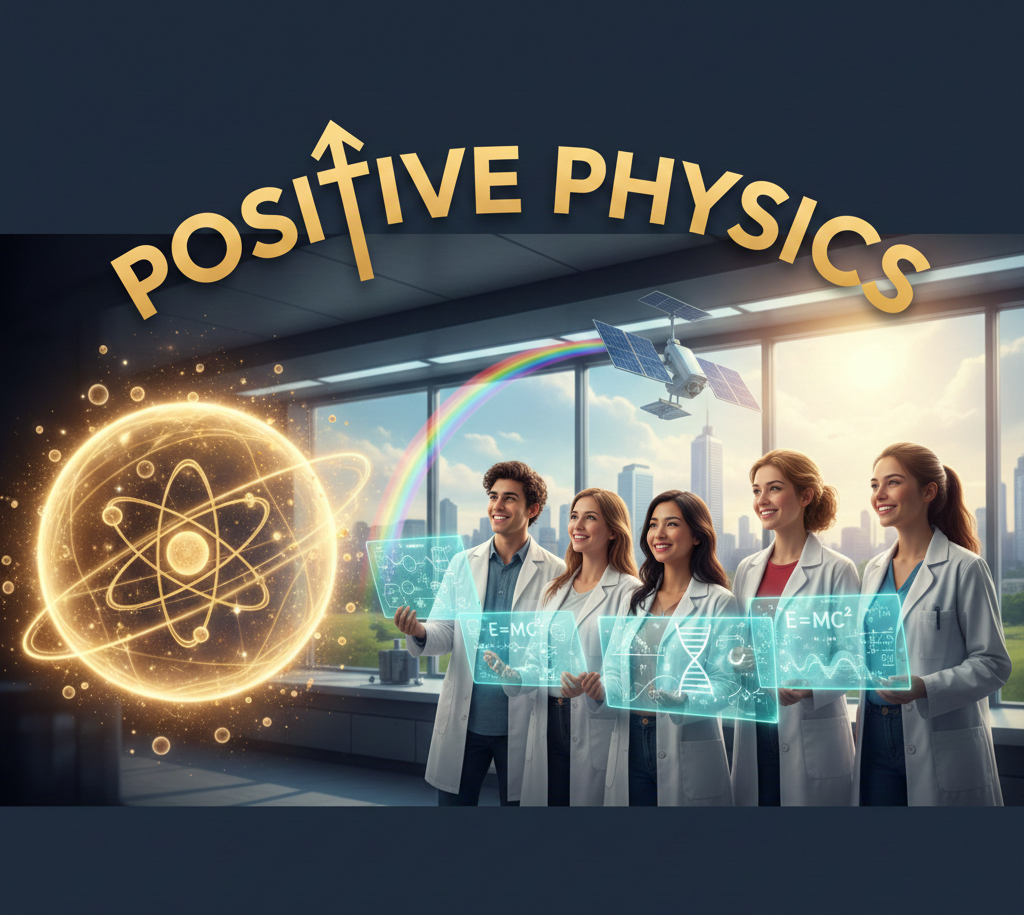

Imagine a world where physics isn’t just about abstract formulas or mind-boggling theories—but about energy, harmony, and practical ways to make life better. This is where positive physics comes in. It’s an emerging perspective that blends traditional physics with principles of positivity, well-being, and conscious energy management. Whether you’re a science enthusiast or someone curious about the interplay between energy and life, positive physics has something fascinating for you.
In this article, we’ll dive deep into positive physics, exploring its concepts, real-world applications, and why it matters today.
What is Positive Physics?
At its core, positive physics is about understanding the ways energy and matter interact in ways that enhance life rather than detract from it. Unlike classical physics, which often focuses on forces, motion, and measurement, positive physics emphasizes:
-
Energy flow that promotes well-being
-
Resonance and vibration in natural systems
-
Practical applications that improve daily life
Think of it as physics with an optimistic twist. It’s not about ignoring challenges but about exploring how the principles of physics can lead to solutions that are beneficial for humans, communities, and even the environment.
Core Concepts in Positive Physics
1. Energy and Vibration
Everything in the universe vibrates, from atoms to galaxies. Positive physics studies how certain frequencies and energy patterns can lead to beneficial outcomes:
-
Healthy living environments with energy-balanced designs
-
Sound therapy and vibrations that improve mental health
-
Electromagnetic harmony in devices to reduce negative impacts
2. Resonance and Harmony
Resonance is the phenomenon where one object vibrates in response to another. Positive physics explores how resonance can:
-
Align energy in physical systems for efficiency
-
Foster mental clarity and emotional balance
-
Encourage sustainable designs in architecture and urban planning
3. Application of Positive Forces
Not all forces are destructive. Positive physics emphasizes forces and interactions that can enhance stability, growth, and resilience. For instance:
-
Utilizing magnetic and gravitational effects for renewable energy solutions
-
Designing ergonomic systems based on natural energy flow
-
Promoting community-level physics solutions for environmental balance
Real-World Applications of Positive Physics
Positive physics isn’t just theoretical—it has tangible, real-world impacts:
-
Health and Wellness: Vibration therapy and energy balancing techniques can improve mood, reduce stress, and boost overall health.
-
Sustainable Energy: Designing energy-efficient systems that mimic natural harmony reduces waste and promotes ecological balance.
-
Technology Design: Electronics and machinery that follow positive physics principles minimize harmful emissions and improve efficiency.
-
Architecture: Buildings can be designed to optimize airflow, light, and energy patterns, enhancing comfort and productivity.
Why Positive Physics Matters Today
In a world facing environmental challenges, energy crises, and mental health concerns, positive physics offers a fresh lens:
-
It encourages mindful engineering and innovation
-
Promotes well-being through science
-
Bridges the gap between hard science and holistic living
By understanding the universe in a positive, proactive way, we can create systems and solutions that are both sustainable and life-enhancing.
How to Apply Positive Physics in Daily Life
You don’t need a lab to benefit from positive physics. Simple steps can make a difference:
-
Align your environment with natural energy patterns—use light, sound, and layout thoughtfully.
-
Practice mindful energy use—reduce waste, recycle, and design spaces for flow and efficiency.
-
Incorporate vibration therapy—from music to exercise, tune your body and mind to beneficial frequencies.
-
Observe resonance in relationships—positive interactions can amplify energy, while negativity drains it.
FAQs About Positive Physics
Q1: Is positive physics a real branch of science?
Yes, it’s an emerging perspective that combines traditional physics with applied principles of energy, well-being, and sustainability.
Q2: How can I learn more about physics?
Start with studies in classical physics, energy systems, and holistic science, then explore interdisciplinary applications in wellness and sustainable design.
Q3: Can physics improve my mental health?
Absolutely. Practices based on vibration, energy alignment, and resonance can reduce stress and improve overall well-being.
Q4: Does it have practical applications in technology?
Yes. Positive physics can guide energy-efficient designs, electronics that reduce harmful emissions, and sustainable urban planning.
Also Read: Third Law of Thermodynamics
Conclusion
Positive physics invites us to see the universe not just as a mechanical system, but as a dynamic web of energy with the potential to uplift, heal, and inspire. From health and wellness to sustainable innovation, its applications are limitless. By exploring and embracing these principles, we can harness science for a brighter, more harmonious future.
Start applying the ideas of positive physics today—align your environment, harness energy wisely, and experience the subtle yet profound benefits in daily life. For those curious, the journey into this field promises both scientific insight and practical wisdom.